The release of KCSE results is always a defining national moment. Across the country, students, families, and schools pause to reflect on years of effort distilled into grades and rankings. These results shape admissions, opportunities, and expectations. Yet this year, the release carries added weight. It comes as the 8-4-4 education system approaches its final phase, with only two years remaining before it is fully phased out.
For decades, 8-4-4 shaped how learning was understood in Kenya. It emphasized mastery of content, examination performance, and endurance under pressure. For many who passed through it, the system built discipline and resilience. However, it was also designed for a different era one in which knowledge was scarce, technology was peripheral, and learning was largely confined to classrooms and textbooks. That context has changed fundamentally.
Today, technology is no longer an external support to education; it is part of the environment in which learning happens. Artificial intelligence, digital platforms, automation, and data-driven systems are reshaping how work is done, how decisions are made, and how skills are valued. Releasing KCSE results at such a moment invites a deeper question: are our education outcomes aligned with the realities students are about to face?
As someone educated within the 8-4-4 system, I recognize both its strengths and its limitations. It prepared learners to answer questions correctly, but not always to adapt when the questions themselves changed. Yet the modern world demands adaptability above all else. Technology evolves faster than syllabi, and students now enter economies where learning does not end with certification.
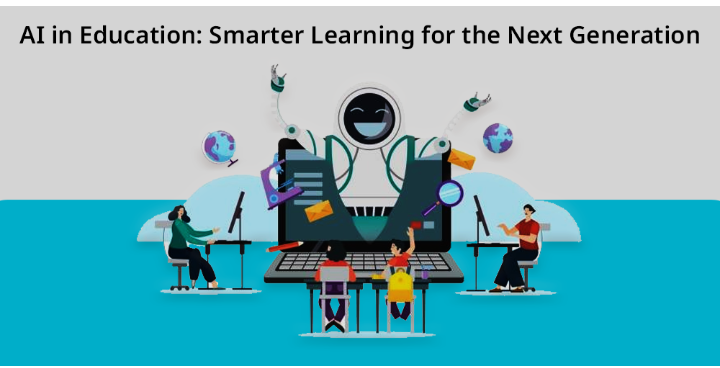
This is why the conversation cannot stop at replacing one curriculum with another. The real issue is how education meaningfully incorporates evolving technology not as an add-on, but as a core component of how students learn, think, and solve problems. Blending technology into education does not mean turning classrooms into coding labs overnight. It means using technology to enhance critical thinking, collaboration, creativity, and problem-solving. It also means teaching students how digital tools work, how intelligent systems influence decisions, and how to use technology responsibly rather than passively consuming it.
As 8-4-4 winds down, there is a risk that reform focuses too narrowly on structure subjects, assessments, and pathways while underestimating the role of technology as a learning partner. Yet students today already interact with advanced technology outside school. When education fails to reflect this reality, it creates a disconnect between learning and life.
The KCSE results released today represent achievement within a system that prioritized standardized evaluation. However, the future students are entering values different capabilities. Employers increasingly seek digital fluency, adaptability, and the ability to work alongside intelligent systems. Entrepreneurship is now inseparable from technology, and even informal sectors from agriculture to trade are being reshaped by digital tools.
If education does not intentionally integrate technology, inequality widens. Students with access to digital resources outside school advance faster, while those without fall further behind. Incorporating technology within the education system is therefore not only about innovation; it is about equity.
Importantly, technology should support educators rather than replace them. Teachers remain central to learning, particularly in guiding judgment, ethics, and context. When used well, technology can reduce administrative burdens, personalize learning, and expand access to information.
The final years of 8-4-4 present a rare opportunity. Kenya can reflect honestly on what the system achieved and where it fell short. Exams like KCSE served a purpose, but they cannot remain the sole measure of preparedness in a rapidly evolving world.
This transition requires investment not just in infrastructure, but in teacher training, curriculum design, and institutional readiness. Technology cannot be integrated meaningfully without equipping educators to use it confidently and critically. Policy declarations alone are not enough; implementation is what ultimately determines outcomes.
For students receiving their KCSE results, the message should be one of perspective rather than pressure. These results reflect past performance, not future potential. The skills that will matter most are still learnable, still adaptable, and still evolving. Education does not end with an exam; it must now extend into continuous engagement with new tools and ideas.
For policymakers and institutions, this moment calls for restraint and foresight. Technology should not be introduced for appearance or political timelines, but for genuine educational value. The goal is not to chase trends, but to prepare learners for a world where technology and human capability are deeply intertwined.
As the 8-4-4 system approaches its conclusion, its legacy should not be defensiveness or nostalgia, but learning. Kenya stands at a threshold where education can either lag behind technological change or grow alongside it. The difference will shape not only employment outcomes, but national resilience.
The KCSE results released today mark the end of one chapter. What matters now is whether the next chapter equips learners to thrive in a world where education and technology are no longer separate domains, but partners in shaping the future.
For decades, 8-4-4 shaped how learning was understood in Kenya. It emphasized mastery of content, examination performance, and endurance under pressure. For many who passed through it, the system built discipline and resilience. However, it was also designed for a different era one in which knowledge was scarce, technology was peripheral, and learning was largely confined to classrooms and textbooks. That context has changed fundamentally.
Today, technology is no longer an external support to education; it is part of the environment in which learning happens. Artificial intelligence, digital platforms, automation, and data-driven systems are reshaping how work is done, how decisions are made, and how skills are valued. Releasing KCSE results at such a moment invites a deeper question: are our education outcomes aligned with the realities students are about to face?
As someone educated within the 8-4-4 system, I recognize both its strengths and its limitations. It prepared learners to answer questions correctly, but not always to adapt when the questions themselves changed. Yet the modern world demands adaptability above all else. Technology evolves faster than syllabi, and students now enter economies where learning does not end with certification.
This is why the conversation cannot stop at replacing one curriculum with another. The real issue is how education meaningfully incorporates evolving technology not as an add-on, but as a core component of how students learn, think, and solve problems. Blending technology into education does not mean turning classrooms into coding labs overnight. It means using technology to enhance critical thinking, collaboration, creativity, and problem-solving. It also means teaching students how digital tools work, how intelligent systems influence decisions, and how to use technology responsibly rather than passively consuming it.
As 8-4-4 winds down, there is a risk that reform focuses too narrowly on structure subjects, assessments, and pathways while underestimating the role of technology as a learning partner. Yet students today already interact with advanced technology outside school. When education fails to reflect this reality, it creates a disconnect between learning and life.
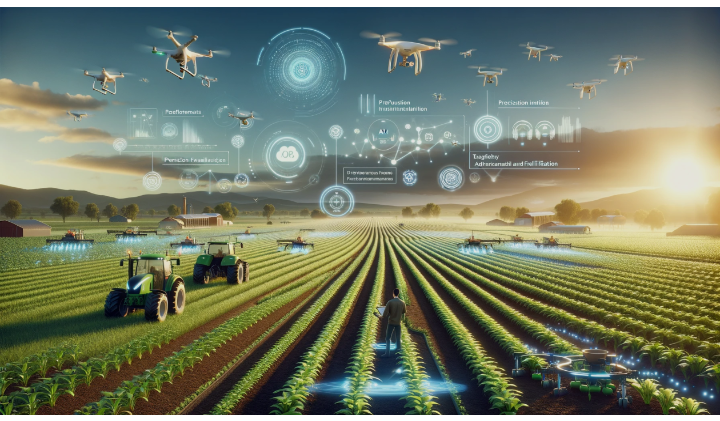
The KCSE results released today represent achievement within a system that prioritized standardized evaluation. However, the future students are entering values different capabilities. Employers increasingly seek digital fluency, adaptability, and the ability to work alongside intelligent systems. Entrepreneurship is now inseparable from technology, and even informal sectors from agriculture to trade are being reshaped by digital tools.
If education does not intentionally integrate technology, inequality widens. Students with access to digital resources outside school advance faster, while those without fall further behind. Incorporating technology within the education system is therefore not only about innovation; it is about equity.
Importantly, technology should support educators rather than replace them. Teachers remain central to learning, particularly in guiding judgment, ethics, and context. When used well, technology can reduce administrative burdens, personalize learning, and expand access to information.
The final years of 8-4-4 present a rare opportunity. Kenya can reflect honestly on what the system achieved and where it fell short. Exams like KCSE served a purpose, but they cannot remain the sole measure of preparedness in a rapidly evolving world.
This transition requires investment not just in infrastructure, but in teacher training, curriculum design, and institutional readiness. Technology cannot be integrated meaningfully without equipping educators to use it confidently and critically. Policy declarations alone are not enough; implementation is what ultimately determines outcomes.
For students receiving their KCSE results, the message should be one of perspective rather than pressure. These results reflect past performance, not future potential. The skills that will matter most are still learnable, still adaptable, and still evolving. Education does not end with an exam; it must now extend into continuous engagement with new tools and ideas.
For policymakers and institutions, this moment calls for restraint and foresight. Technology should not be introduced for appearance or political timelines, but for genuine educational value. The goal is not to chase trends, but to prepare learners for a world where technology and human capability are deeply intertwined.
As the 8-4-4 system approaches its conclusion, its legacy should not be defensiveness or nostalgia, but learning. Kenya stands at a threshold where education can either lag behind technological change or grow alongside it. The difference will shape not only employment outcomes, but national resilience.
The KCSE results released today mark the end of one chapter. What matters now is whether the next chapter equips learners to thrive in a world where education and technology are no longer separate domains, but partners in shaping the future.