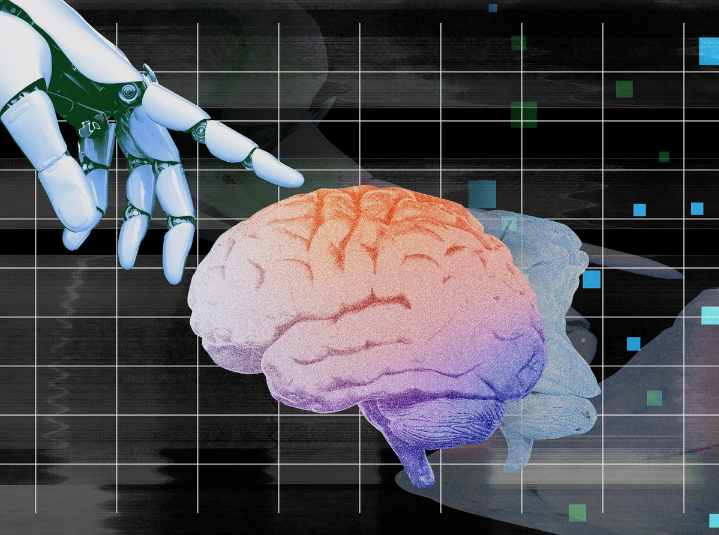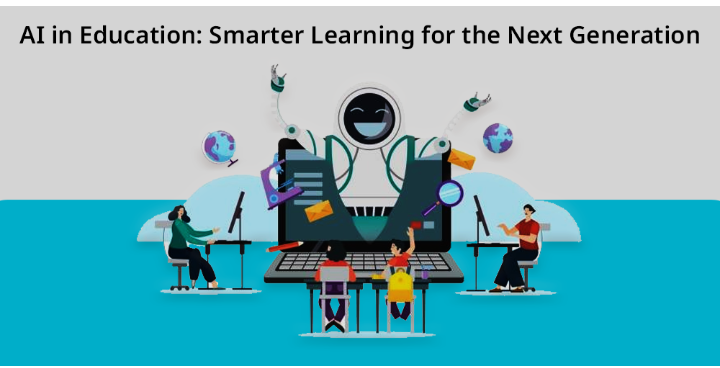
Artificial intelligence has become an increasingly influential force in education, reshaping how knowledge is delivered, assessed, and managed across learning environments. Rather than functioning as a substitute for educators, AI has established itself as a supportive framework that enhances instructional quality, expands access to learning, and improves institutional efficiency. Its growing presence reflects a broader shift toward data-informed and adaptive educational systems designed to meet diverse learner needs.
One of the most significant achievements of AI in education is the advancement of personalized learning. Traditional classroom models often struggle to accommodate differences in learning pace, ability, and style. AI-powered platforms address this limitation by analyzing student performance data and adapting content accordingly. Lessons, exercises, and assessments can be adjusted in real time, allowing learners to receive targeted support where they struggle and accelerated challenges where they excel. This individualized approach has improved engagement and learning outcomes while reducing the frustration associated with standardized instruction.
AI has also transformed assessment and feedback processes. Automated grading systems can evaluate quizzes, assignments, and structured written responses efficiently and consistently. More importantly, AI enables immediate feedback, allowing students to identify mistakes and address misunderstandings without delay. This continuous feedback loop supports deeper learning and encourages self-correction. For educators, automated assessment reduces administrative workload, creating more time for instructional planning, mentorship, and student interaction.
Accessibility and inclusion represent another major area of achievement. AI-driven tools such as speech-to-text, text-to-speech, real-time translation, and adaptive learning interfaces have significantly improved educational access for students with disabilities and language barriers. These technologies allow learners to engage with content in ways that align with their individual needs, promoting equity and participation. As a result, education systems are better equipped to support diverse populations and reduce systemic barriers to learning.
Learning analytics and early intervention systems have further strengthened educational outcomes. By analyzing patterns in attendance, engagement, and academic performance, AI can identify students who may be at risk of falling behind or disengaging. Educators and institutions can then intervene proactively with academic support, counseling, or tailored resources. This shift from reactive to preventative strategies has improved student retention and success, particularly in large or remote learning environments.
In institutional management, AI has enhanced operational efficiency. Educational institutions use AI to optimize scheduling, manage enrollment, allocate resources, and handle routine student inquiries through automated systems. These applications reduce administrative costs and improve service delivery while allowing staff to focus on higher-level responsibilities. As education systems grow more complex, AI has become an essential tool for maintaining efficiency and responsiveness.
AI has also supported teachers in instructional planning and professional practice. Intelligent systems can analyze classroom data to highlight common learning gaps, recommend teaching resources, and generate practice materials aligned with curriculum goals. While teachers retain control over pedagogy and content, AI assists by offering evidence-based insights that inform decision-making. This collaboration strengthens teaching effectiveness without undermining professional judgment.
In the expansion of online and distance education, AI has played a critical role. Intelligent tutoring systems, adaptive course platforms, and AI-driven learning assistants provide scalable support to large numbers of learners. These tools help maintain engagement, personalize instruction, and monitor progress in virtual environments. As digital education becomes more widespread, AI has helped ensure quality and continuity beyond traditional classroom settings.
Academic integrity and quality assurance have also benefited from AI applications. Institutions use AI-based tools to detect plagiarism, analyze examination patterns, and monitor assessment consistency. While these systems require careful oversight to avoid misuse, they contribute to maintaining academic standards in increasingly digital and remote learning contexts.
Despite these achievements, it is important to recognize that AI does not replace the human elements of education. It does not understand motivation, emotion, or the social dynamics of learning. Its effectiveness depends on ethical implementation, transparency, and human oversight. When used responsibly, AI serves as an enabler rather than an authority, supporting educators while preserving human judgment and accountability.
Overall, AI’s achievements in education demonstrate its capacity to enhance learning experiences, improve accessibility, and strengthen institutional effectiveness. Its value lies not in automation alone, but in its ability to complement human expertise and adapt to individual needs. As education systems continue to evolve, the challenge will be to ensure that AI remains aligned with educational values, equity, and the fundamental goal of learning itself.
One of the most significant achievements of AI in education is the advancement of personalized learning. Traditional classroom models often struggle to accommodate differences in learning pace, ability, and style. AI-powered platforms address this limitation by analyzing student performance data and adapting content accordingly. Lessons, exercises, and assessments can be adjusted in real time, allowing learners to receive targeted support where they struggle and accelerated challenges where they excel. This individualized approach has improved engagement and learning outcomes while reducing the frustration associated with standardized instruction.
AI has also transformed assessment and feedback processes. Automated grading systems can evaluate quizzes, assignments, and structured written responses efficiently and consistently. More importantly, AI enables immediate feedback, allowing students to identify mistakes and address misunderstandings without delay. This continuous feedback loop supports deeper learning and encourages self-correction. For educators, automated assessment reduces administrative workload, creating more time for instructional planning, mentorship, and student interaction.
Accessibility and inclusion represent another major area of achievement. AI-driven tools such as speech-to-text, text-to-speech, real-time translation, and adaptive learning interfaces have significantly improved educational access for students with disabilities and language barriers. These technologies allow learners to engage with content in ways that align with their individual needs, promoting equity and participation. As a result, education systems are better equipped to support diverse populations and reduce systemic barriers to learning.
Learning analytics and early intervention systems have further strengthened educational outcomes. By analyzing patterns in attendance, engagement, and academic performance, AI can identify students who may be at risk of falling behind or disengaging. Educators and institutions can then intervene proactively with academic support, counseling, or tailored resources. This shift from reactive to preventative strategies has improved student retention and success, particularly in large or remote learning environments.
In institutional management, AI has enhanced operational efficiency. Educational institutions use AI to optimize scheduling, manage enrollment, allocate resources, and handle routine student inquiries through automated systems. These applications reduce administrative costs and improve service delivery while allowing staff to focus on higher-level responsibilities. As education systems grow more complex, AI has become an essential tool for maintaining efficiency and responsiveness.
AI has also supported teachers in instructional planning and professional practice. Intelligent systems can analyze classroom data to highlight common learning gaps, recommend teaching resources, and generate practice materials aligned with curriculum goals. While teachers retain control over pedagogy and content, AI assists by offering evidence-based insights that inform decision-making. This collaboration strengthens teaching effectiveness without undermining professional judgment.
In the expansion of online and distance education, AI has played a critical role. Intelligent tutoring systems, adaptive course platforms, and AI-driven learning assistants provide scalable support to large numbers of learners. These tools help maintain engagement, personalize instruction, and monitor progress in virtual environments. As digital education becomes more widespread, AI has helped ensure quality and continuity beyond traditional classroom settings.
Academic integrity and quality assurance have also benefited from AI applications. Institutions use AI-based tools to detect plagiarism, analyze examination patterns, and monitor assessment consistency. While these systems require careful oversight to avoid misuse, they contribute to maintaining academic standards in increasingly digital and remote learning contexts.
Despite these achievements, it is important to recognize that AI does not replace the human elements of education. It does not understand motivation, emotion, or the social dynamics of learning. Its effectiveness depends on ethical implementation, transparency, and human oversight. When used responsibly, AI serves as an enabler rather than an authority, supporting educators while preserving human judgment and accountability.
Overall, AI’s achievements in education demonstrate its capacity to enhance learning experiences, improve accessibility, and strengthen institutional effectiveness. Its value lies not in automation alone, but in its ability to complement human expertise and adapt to individual needs. As education systems continue to evolve, the challenge will be to ensure that AI remains aligned with educational values, equity, and the fundamental goal of learning itself.