SOLVING THE PUZZLES OF THE CHANGING WORLD
102 views
From solving classroom puzzles to confronting the realities of life, education has long been regarded as the great equaliser of society. In today’s generation, it acts as a balancing scale bringing together individuals from different backgrounds and placing them on a shared platform of communication and opportunity. It unites both rich and poor, offering the promise of progress and growth. Yet, despite its promise, modern society continues to face challenges that many never anticipated. Excellence in education now demands perseverance, consistency, and discipline from those striving to succeed.

Advertisement


Advertisement


Advertisement
More in Business
View All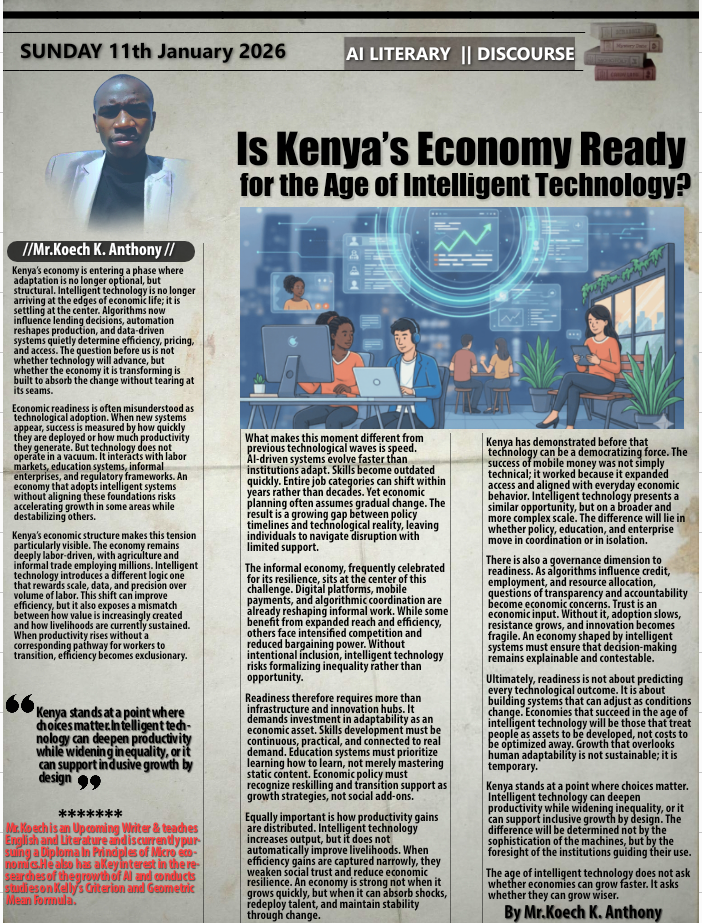
Is Kenya's Economy Ready For The Age Of Intelligent Technology?

Milimani Court Discharges Businessman Waswa in Sh400M Fake Gold Case

Remote Work Savings, Cuts Daily Costs
Subscription Detox; Yes You Can do it

AI Budgeting Apps: Smart Spending Tracking & Personalized Savings Tips

Smart Business Moves for Everyday Entrepreneurs
More in Global News
View All
SOLVING THE PUZZLES OF THE CHANGING WORLD

Youth, marriage, society and culture expectations

Trump Wants to Rewrite Asylum and the World Should Be Alarmed

My Wife and Baby Died Because Help Was Locked Behind a Door

Biker Gang Guards Gaza Aid Sites

Horror in Minneapolis: Gunman Obsessed with Killing Children
More in Politics
View All
Sakaja Faces Impeachment Motion

Natembeya Rules Out Joining Kenya Kwanza, Pushes for Western Unity

Eldas MP Keynan swears to continue supporting Ruto
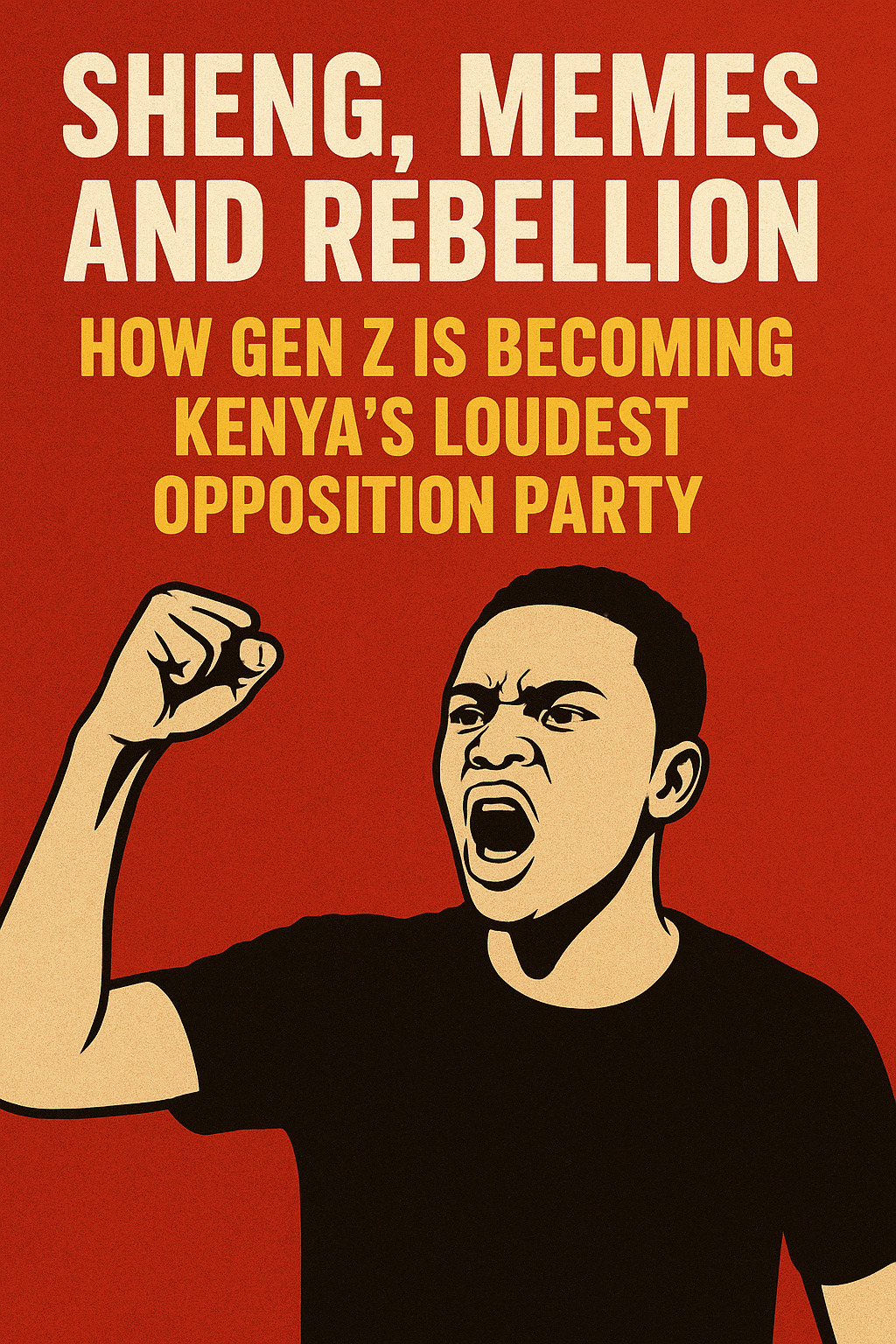
Gen Z named Kenya’s Loudest Opposition Party

Gen Z Women on the Rise: Kenya’s Next Generation of Women Representatives