The Future of AI Robotics: Beyond Automation
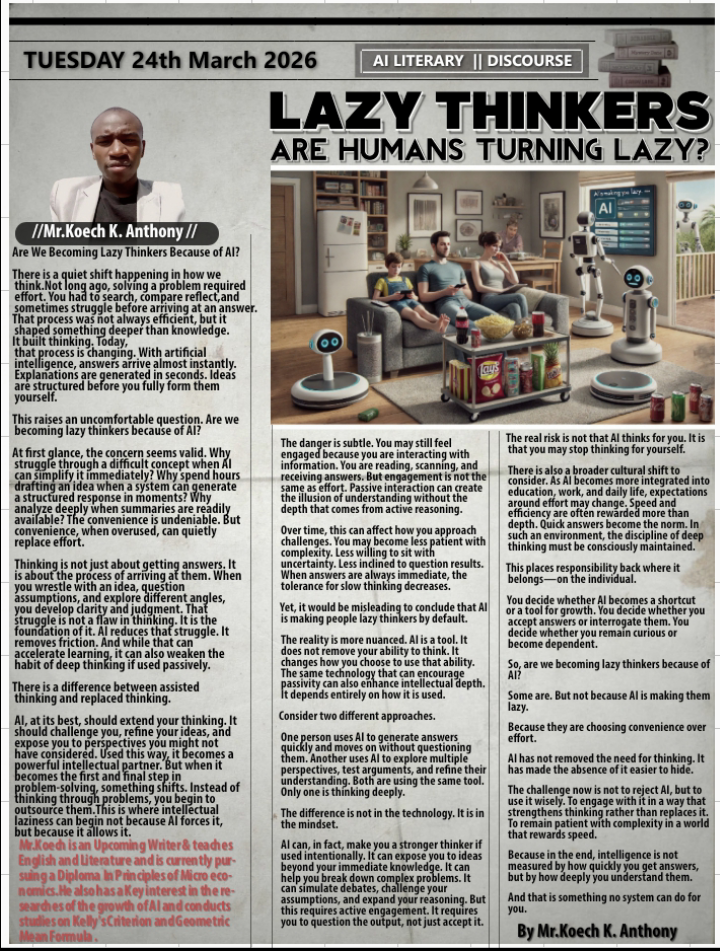
For decades, robots were confined to predictable environments. They welded car frames, assembled electronics, and performed repetitive tasks inside controlled factory spaces. Their movements were precise but rigid, their roles narrow and predefined. Today, that image is changing. Artificial intelligence is transforming robotics from programmed machinery into adaptive systems capable of learning, navigating uncertainty, and interacting with the world in increasingly humanlike ways. The future of AI robotics will not simply be about automation. It will be about integration into everyday life.
One of the most significant shifts is mobility and adaptability. Future AI robots are being designed to operate in environments built for humans rather than redesigned industrial settings. This includes homes, hospitals, warehouses, farms, and public spaces. Advances in computer vision, sensor technology, and machine learning allow robots to interpret surroundings, avoid obstacles, and adjust movements in real time. As these systems improve, robots will move from highly specialized tools to general-purpose assistants capable of performing a variety of tasks.
Healthcare is likely to be one of the most transformative areas. AI-powered robotic systems are already assisting in surgery, rehabilitation, and patient monitoring. In the future, we may see robots supporting elderly care, delivering medication, or assisting individuals with limited mobility. With aging populations in many parts of the world, the demand for supportive technologies is rising. Robotics could supplement strained healthcare systems while allowing people to maintain greater independence.
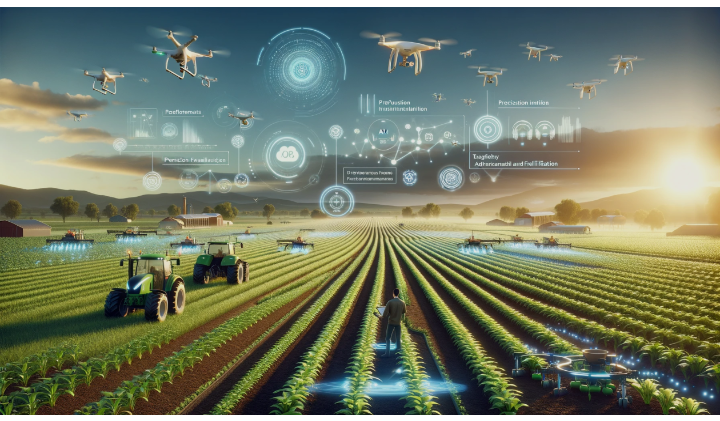
In industry and logistics, AI robotics will continue to reshape productivity. Warehouses increasingly rely on autonomous systems to sort, transport, and manage goods. Construction sites are beginning to integrate robotic equipment capable of performing dangerous or physically demanding tasks. In agriculture, intelligent robots can plant, harvest, and monitor crops with precision. These applications point toward a future where robots work alongside humans, not necessarily replacing them, but changing how work is structured.
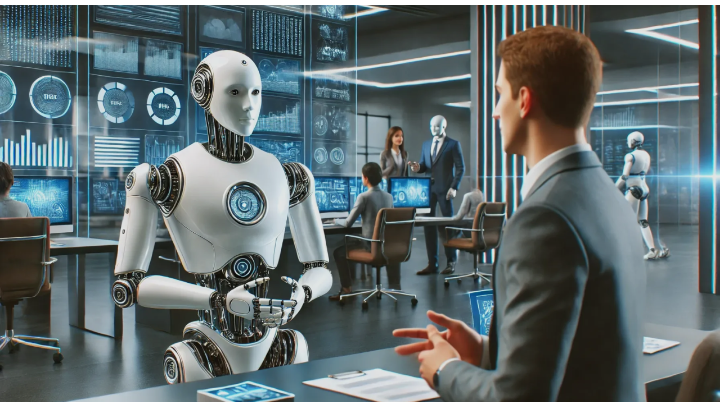
Perhaps the most debated development is the rise of humanoid and socially interactive robots. Machines designed to resemble humans in form or behavior are no longer science fiction. As artificial intelligence improves natural language processing and emotional recognition systems, robots may become more capable of engaging in conversation and responding to social cues. This raises both opportunities and ethical questions. While such systems could assist in education, customer service, and companionship, they also challenge our understanding of authenticity, attachment, and trust.
The future of AI robotics will also depend heavily on advances in energy efficiency and materials science. For robots to function effectively outside controlled environments, they must be lightweight, durable, and capable of operating for extended periods without constant charging. Breakthroughs in battery technology, soft robotics, and flexible materials will shape how seamlessly these machines integrate into daily life.
However, technological progress alone does not determine the future. Regulation, governance, and public acceptance play equally important roles. Autonomous systems capable of physical action carry risks if deployed without oversight. Safety standards, ethical guidelines, and accountability mechanisms must evolve alongside innovation. Questions about liability, data privacy, and appropriate use will become increasingly central as robots gain autonomy.
There is also a broader economic dimension. As AI robotics expands, labor markets will shift. Some tasks will become automated, while new roles will emerge in robot maintenance, programming, oversight, and ethical auditing. Preparing the workforce for this transition will require investment in education and technical training. The future of AI robotics is not only about machines advancing, but about societies adapting.
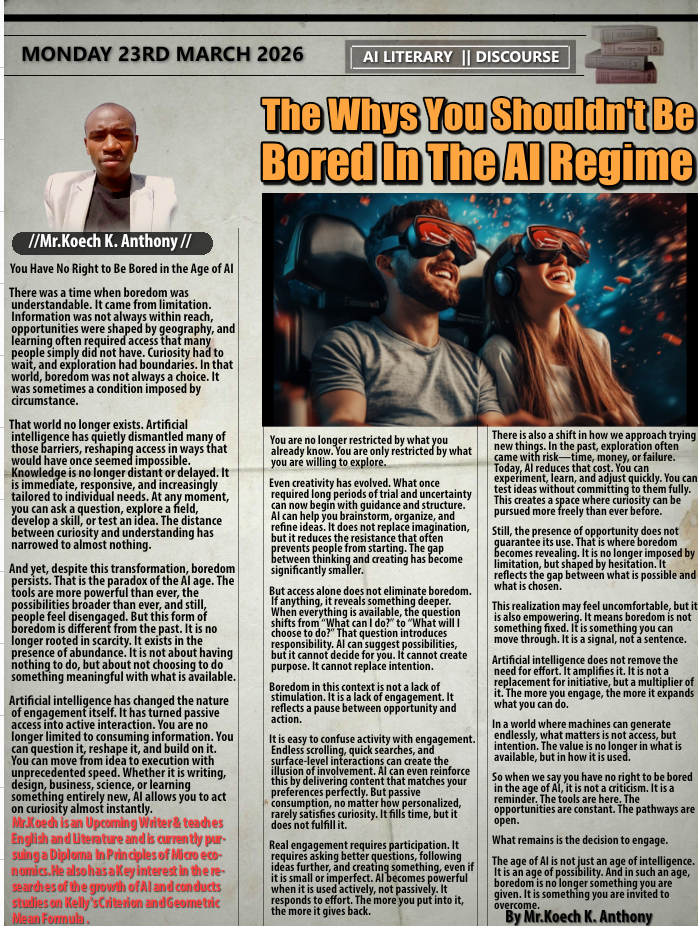
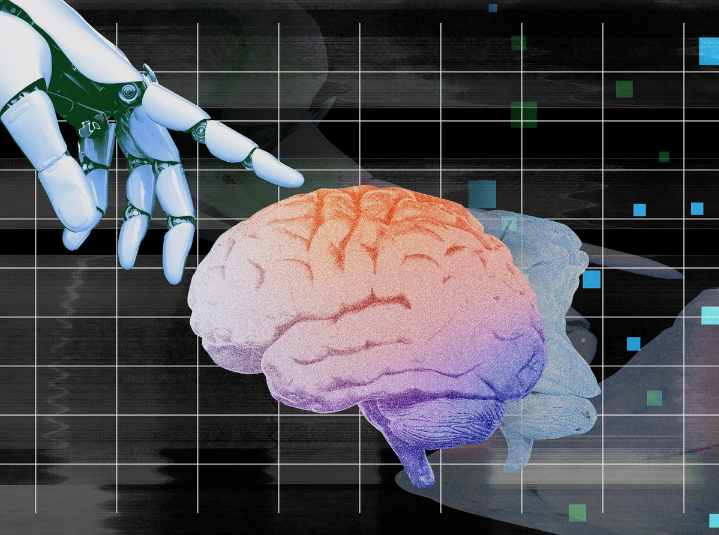
At a deeper level, AI robotics invites reflection on the relationship between humans and technology. As robots become more capable and present in everyday spaces, boundaries between tool and collaborator may blur. The challenge will be ensuring that robotics enhances human capability rather than diminishing human agency. The goal should not be to replicate humanity entirely, but to design systems that support human needs and values.
Looking ahead, the trajectory of AI robotics suggests expansion rather than retreat. These systems will likely become more autonomous, more mobile, and more integrated across sectors. Yet their impact will depend less on what they can do and more on how thoughtfully they are deployed.
The future of AI robotics is not predetermined. It will be shaped by design choices, ethical frameworks, economic priorities, and public dialogue. If guided responsibly, robotics powered by artificial intelligence can extend human potential, improve safety, and address complex challenges. If left unchecked, it risks amplifying inequality and reducing accountability.
The machines are evolving quickly. The real question is whether our institutions, policies, and values will evolve just as fast.
For decades, robots were confined to predictable environments. They welded car frames, assembled electronics, and performed repetitive tasks inside controlled factory spaces. Their movements were precise but rigid, their roles narrow and predefined. Today, that image is changing. Artificial intelligence is transforming robotics from programmed machinery into adaptive systems capable of learning, navigating uncertainty, and interacting with the world in increasingly humanlike ways. The future of AI robotics will not simply be about automation. It will be about integration into everyday life.
One of the most significant shifts is mobility and adaptability. Future AI robots are being designed to operate in environments built for humans rather than redesigned industrial settings. This includes homes, hospitals, warehouses, farms, and public spaces. Advances in computer vision, sensor technology, and machine learning allow robots to interpret surroundings, avoid obstacles, and adjust movements in real time. As these systems improve, robots will move from highly specialized tools to general-purpose assistants capable of performing a variety of tasks.
Healthcare is likely to be one of the most transformative areas. AI-powered robotic systems are already assisting in surgery, rehabilitation, and patient monitoring. In the future, we may see robots supporting elderly care, delivering medication, or assisting individuals with limited mobility. With aging populations in many parts of the world, the demand for supportive technologies is rising. Robotics could supplement strained healthcare systems while allowing people to maintain greater independence.
In industry and logistics, AI robotics will continue to reshape productivity. Warehouses increasingly rely on autonomous systems to sort, transport, and manage goods. Construction sites are beginning to integrate robotic equipment capable of performing dangerous or physically demanding tasks. In agriculture, intelligent robots can plant, harvest, and monitor crops with precision. These applications point toward a future where robots work alongside humans, not necessarily replacing them, but changing how work is structured.
Perhaps the most debated development is the rise of humanoid and socially interactive robots. Machines designed to resemble humans in form or behavior are no longer science fiction. As artificial intelligence improves natural language processing and emotional recognition systems, robots may become more capable of engaging in conversation and responding to social cues. This raises both opportunities and ethical questions. While such systems could assist in education, customer service, and companionship, they also challenge our understanding of authenticity, attachment, and trust.
The future of AI robotics will also depend heavily on advances in energy efficiency and materials science. For robots to function effectively outside controlled environments, they must be lightweight, durable, and capable of operating for extended periods without constant charging. Breakthroughs in battery technology, soft robotics, and flexible materials will shape how seamlessly these machines integrate into daily life.
However, technological progress alone does not determine the future. Regulation, governance, and public acceptance play equally important roles. Autonomous systems capable of physical action carry risks if deployed without oversight. Safety standards, ethical guidelines, and accountability mechanisms must evolve alongside innovation. Questions about liability, data privacy, and appropriate use will become increasingly central as robots gain autonomy.
There is also a broader economic dimension. As AI robotics expands, labor markets will shift. Some tasks will become automated, while new roles will emerge in robot maintenance, programming, oversight, and ethical auditing. Preparing the workforce for this transition will require investment in education and technical training. The future of AI robotics is not only about machines advancing, but about societies adapting.
At a deeper level, AI robotics invites reflection on the relationship between humans and technology. As robots become more capable and present in everyday spaces, boundaries between tool and collaborator may blur. The challenge will be ensuring that robotics enhances human capability rather than diminishing human agency. The goal should not be to replicate humanity entirely, but to design systems that support human needs and values.
Looking ahead, the trajectory of AI robotics suggests expansion rather than retreat. These systems will likely become more autonomous, more mobile, and more integrated across sectors. Yet their impact will depend less on what they can do and more on how thoughtfully they are deployed.
The future of AI robotics is not predetermined. It will be shaped by design choices, ethical frameworks, economic priorities, and public dialogue. If guided responsibly, robotics powered by artificial intelligence can extend human potential, improve safety, and address complex challenges. If left unchecked, it risks amplifying inequality and reducing accountability.
The machines are evolving quickly. The real question is whether our institutions, policies, and values will evolve just as fast.